Executive retreats are where leadership teams reset their thinking.
Not in theory, in practice.
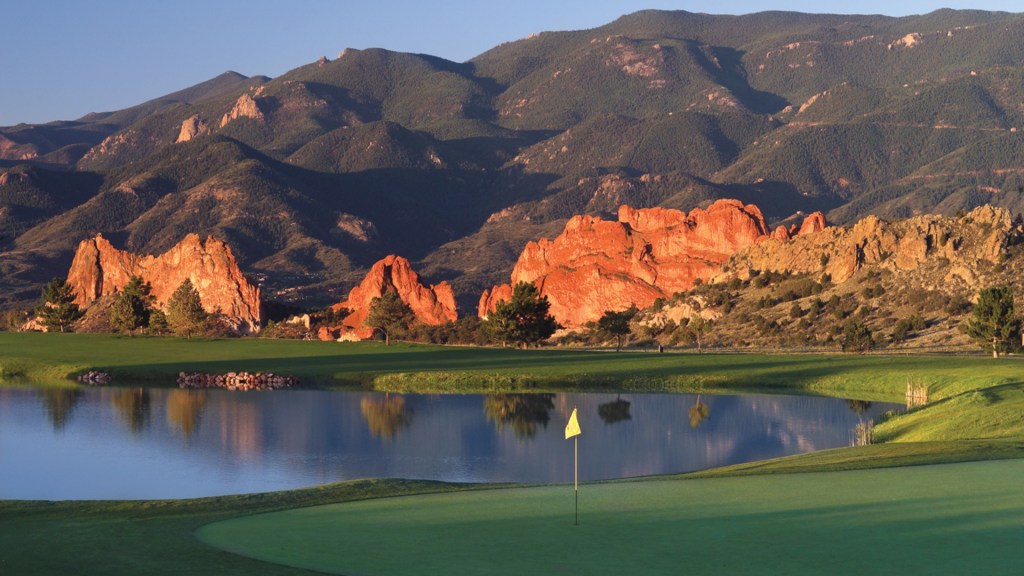
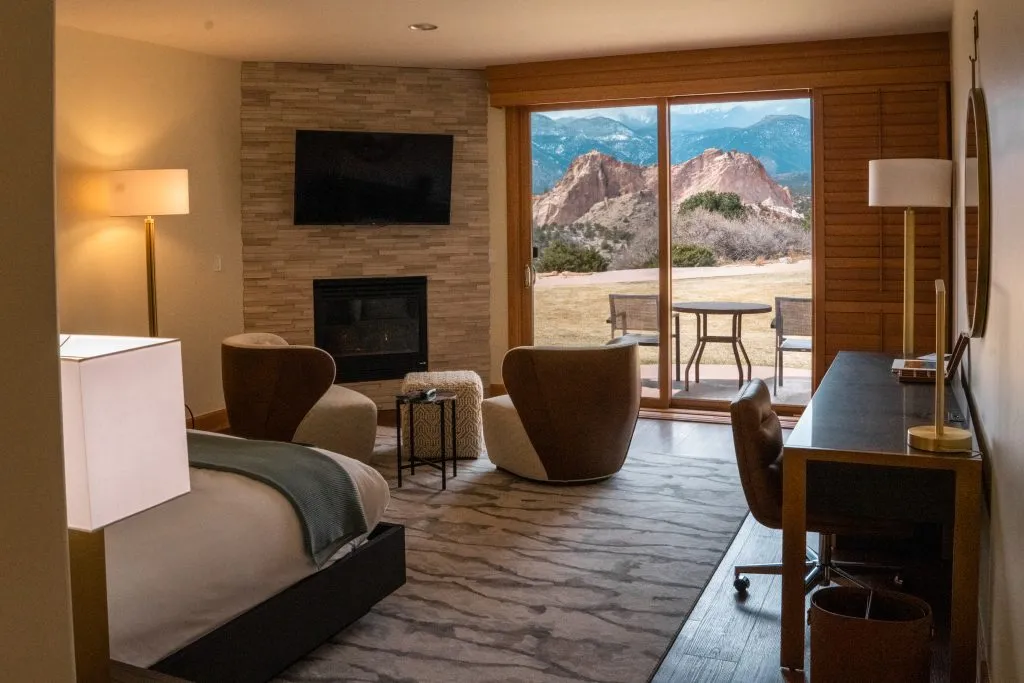
Because when you step away from the office and into a place like Colorado Springs, the shift is immediate. You’re no longer in a windowless room between meetings. You’re looking out at the red rock formations of Garden of the Gods, with Pikes Peak sitting in the distance.And that change affects how decisions get made.
Executive retreats are structured, off-site leadership experiences designed to create space for strategic thinking, alignment, and high-level decision-making, without the interruptions of daily operations.
In the right environment, leaders don’t just think differently, they think more clearly.
What Are Executive Retreats and Why Do They Matter?
Most leadership teams don’t struggle with effort. They struggle with space.
Space to think beyond the next quarter. Space to talk through decisions without checking phones every five minutes. Space to actually align.
In a normal workday, that space doesn’t exist. Executive retreats create it. By pulling leadership out of the day-to-day environment, teams can:
It’s not about doing more work. It’s about doing the right work, in the right environment.
What Makes an Executive Retreat Different From a Standard Corporate Meeting?
A standard meeting keeps things moving.An executive retreat changes where things are going. In most offices, meetings are reactive:
But when you bring a leadership team into a different environment, especially one that physically separates them from daily operations, the conversation shifts.
You start hearing:
That’s not accidental. It’s environmental.
When you’re sitting in a boardroom after walking past red rock formations instead of office cubicles, the tone changes. People show up differently.
Why Does Environment Impact Leadership Performance?
You notice it within the first hour.
The way people talk slows down slightly. Not in a negative way, just enough to think before responding. There’s less urgency, but more clarity. In Colorado Springs, that shift is tied to the environment itself.
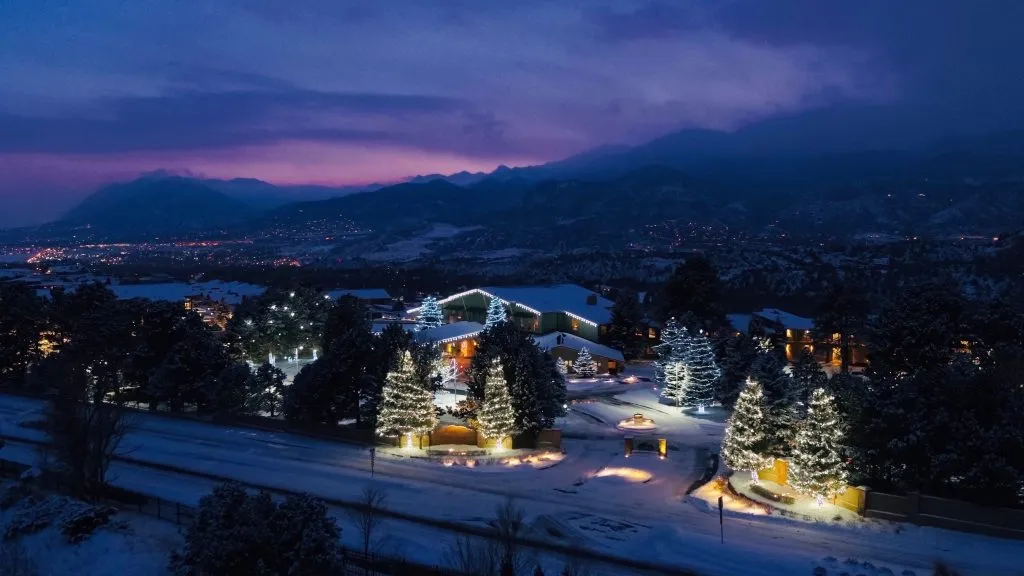
At higher elevations, the air is thinner. The sun feels stronger during the day, but temperatures drop quickly in the evening. It creates a rhythm, active during the day, reflective later, that naturally supports the structure of a retreat.
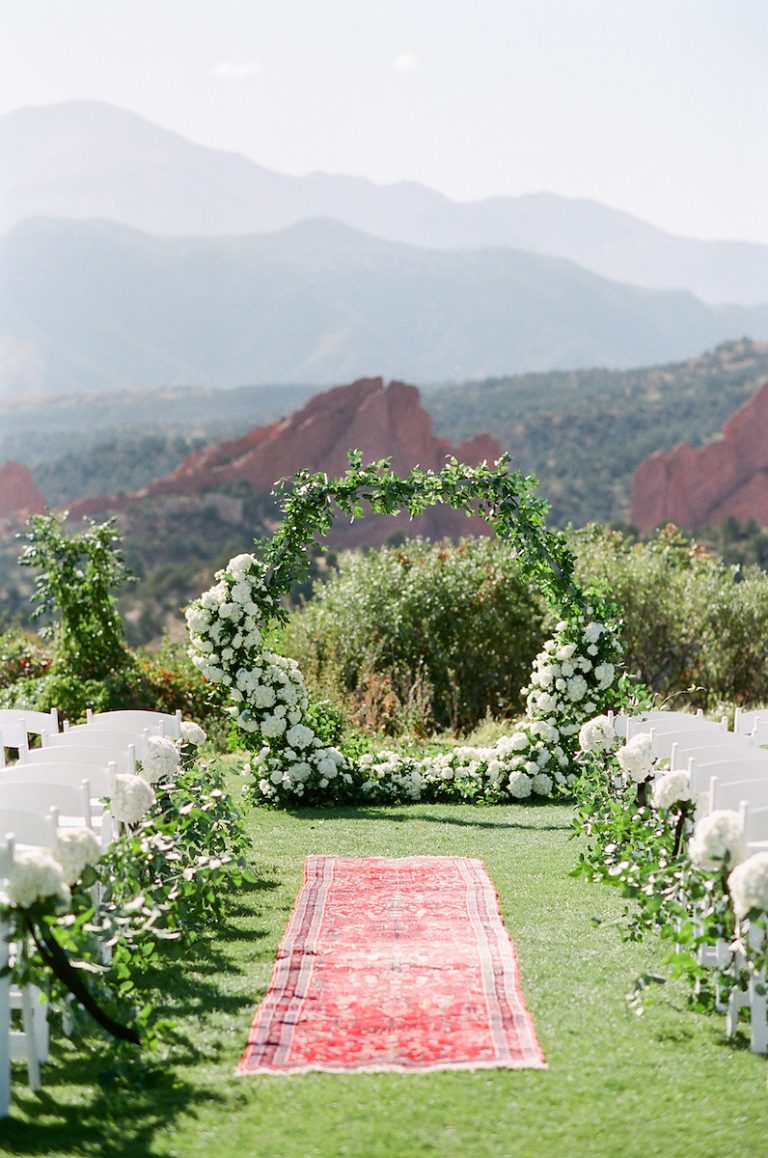
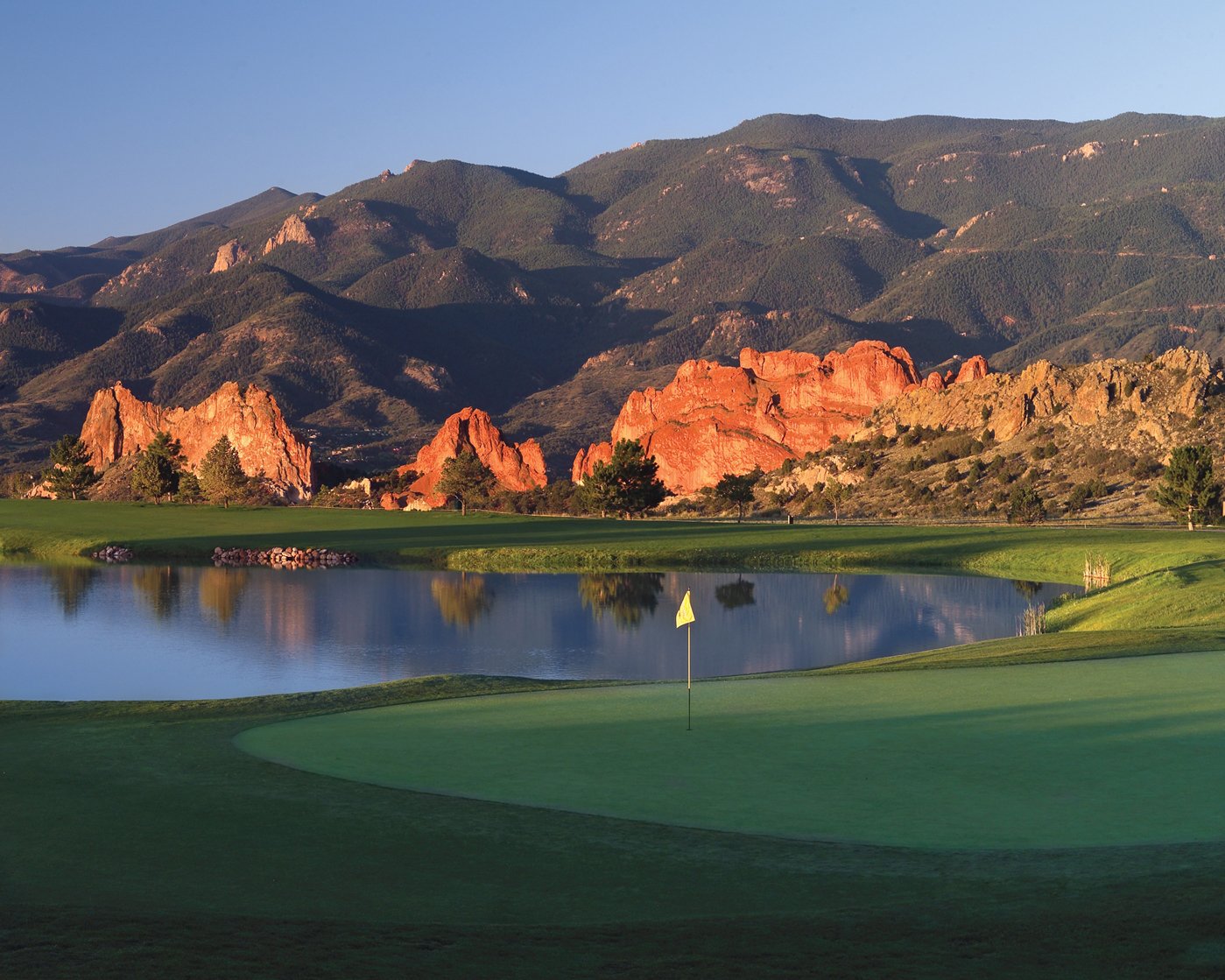
Step outside between sessions, and you’re not looking at a parking lot; you’re looking toward Garden of the Gods Park, where the rock formations catch light differently depending on the time of day.
That kind of setting changes how people process information.
It’s not abstract. You see it in how conversations evolve from surface-level updates to real strategic discussion.
What Should You Look for in an Executive Retreat Location?
The best retreat locations don’t feel like extensions of the office. They feel like a reset, but still function at a high level.
Private, High-Level Meeting Spaces
You need rooms where leadership can talk openly without interruption.
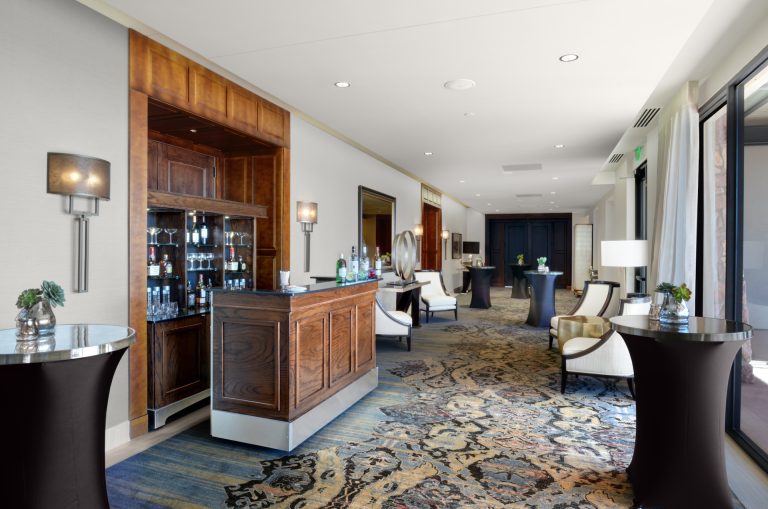
Spaces like the Mesa and Sentinel boardrooms aren’t just meeting rooms; they’re positioned away from high-traffic areas, which matters more than most planners realize.
There’s a difference between a quiet room and a truly inspiring one.
This is the latter.
Luxury Accommodations That Support Multi-Day Focus
Multi-day retreats can lose momentum quickly if people aren’t comfortable.
At elevation, especially in Colorado Springs, rest matters more.
The high altitude and active days can take more energy than expected.
Recharge in luxury, and start each day like it’s the first.
Wellness and Recovery That Feels Natural, Not Forced
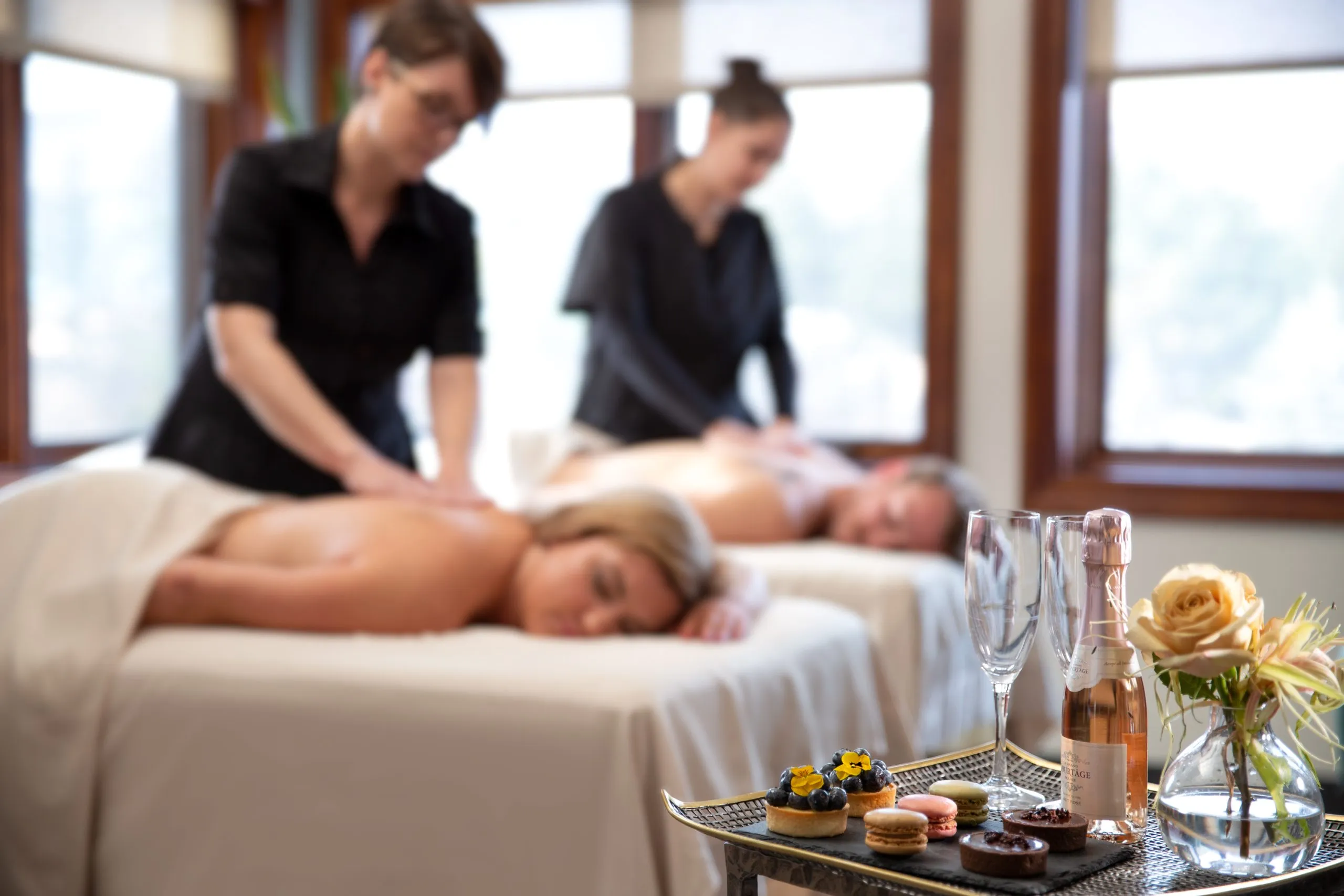
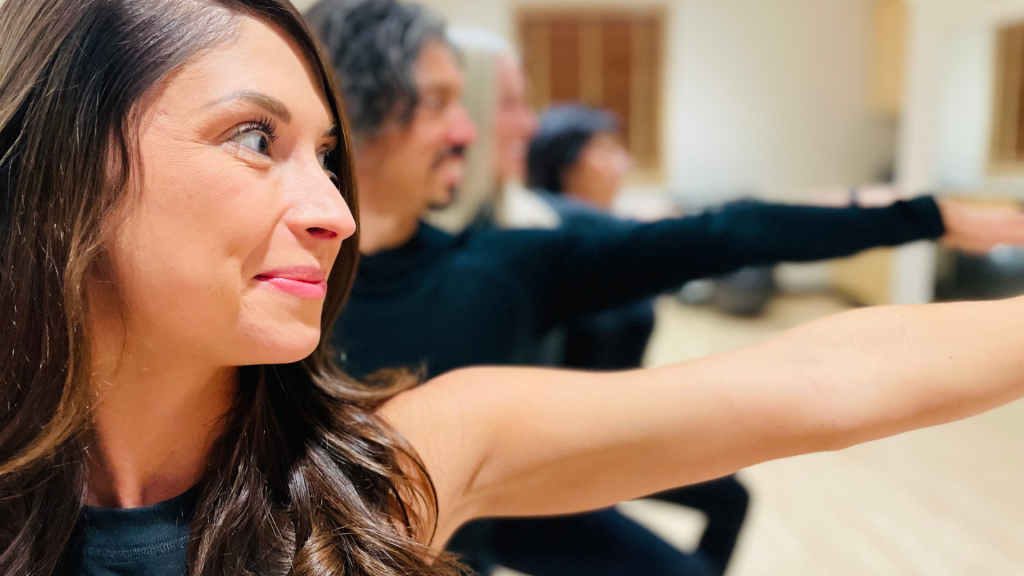
Between sessions, leaders don’t need structured activities; they need space to reset. At a wellness resort setting, that can look like:
These moments improve clarity more than any other scheduled session ever could.
Seamless Coordination That Keeps Everything Moving
From a planning perspective, one of the biggest risks is friction.
Delays between sessions. Confusion about where to go next. Small logistical issues that break momentum.
Having an on-site team that understands how executive retreats actually flow, not just events in general, keeps everything aligned.
It’s the difference between a retreat that feels smooth and one that feels interrupted.
Reliable Connectivity Without Losing the Escape
Even when leaders step away, they’re not fully disconnected.
They still need:
The key is having that capability without it becoming a distraction.
Outdoor Environments That Encourage Real Conversations
Some of the most important discussions don’t happen at the table.
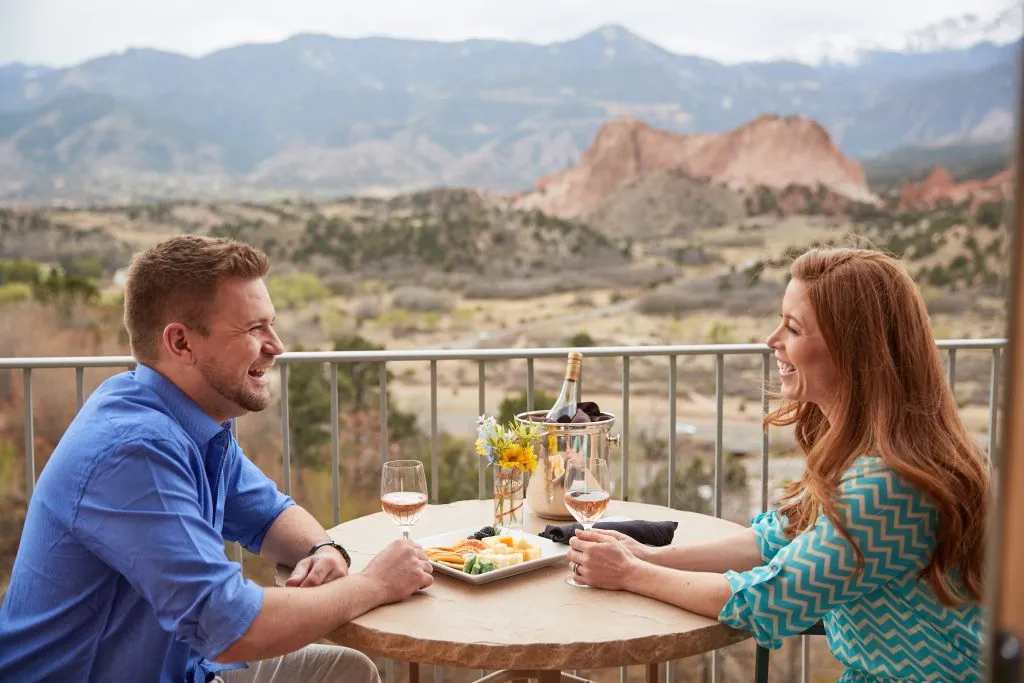
They happen while walking between buildings. Standing outside after a session. Looking out toward Pikes Peak while finishing a conversation that started indoors.
In Colorado Springs, those transitions feel natural because of how the property connects to the surrounding landscape.
You’re not forcing “team bonding.” It just happens.
How Do You Balance Strategy Sessions and Downtime?
This is where most retreats either succeed or fail.
Too many sessions, and people start checking out.
Too much downtime, and the retreat loses direction. The balance comes from how the day is structured.
In Colorado Springs, the environment actually helps.
Mornings tend to be clearer and cooler, ideal for focused sessions. Afternoons open up naturally,
Whether that’s lighter discussions or time outside.
Evenings slow down quickly as temperatures drop, which creates space for reflection.
When the setting supports the schedule, you don’t have to force balance. It just happens.
Why Colorado Springs Is Ideal for Executive Retreats
There’s a reason leadership teams choose this area over larger metro destinations. You’re still close to major access points, but once you’re at the resort, it feels completely separate.
You’re not dealing with:
Instead, you’re positioned right next to Garden of the Gods Park, with open views, shifting light across the rocks, and a sense of space that’s hard to replicate.
That separation makes it easier to:
What Makes Garden of the Gods Resort and Club Ideal for Executive Retreats?
What stands out isn’t just the setting, it’s how everything connects. You can move from a strategy session in the Mesa boardroom to an outdoor space overlooking the red rocks in minutes, without breaking the flow of conversation.
That continuity matters. Leadership teams have access to:
Nothing feels forced. The experience moves naturally from one part of the day to the next.